
1-888-750-2782
Once the client decided to proceed with a jellyfish aquarium for their study, we underwent several design revisions to ensure the system would provide the proper flow necessary for the animals to thrive. One of the primary challenges in designing an effective jellyfish tank is achieving the correct ratio of length, width, and height.
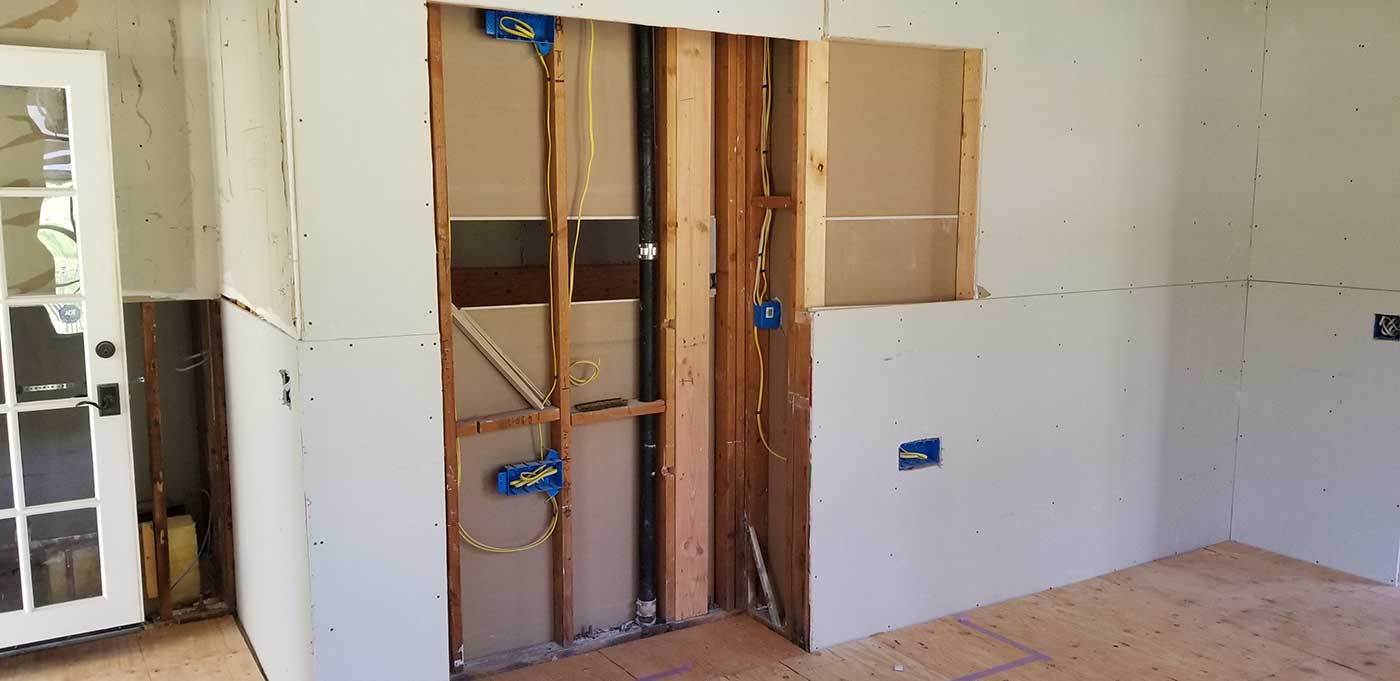
Maintaining this balance and proper flow is critical to ensure the jellyfish do not get trapped in corners—a common problem that can harm or kill these delicate creatures. We utilized the hollow space in the study wall to inset the jellyfish aquarium so it would sit flush with the surrounding cabinetry. Ventilation and electrical components were carefully planned and installed to support both the aquarium equipment and the custom lighting system.
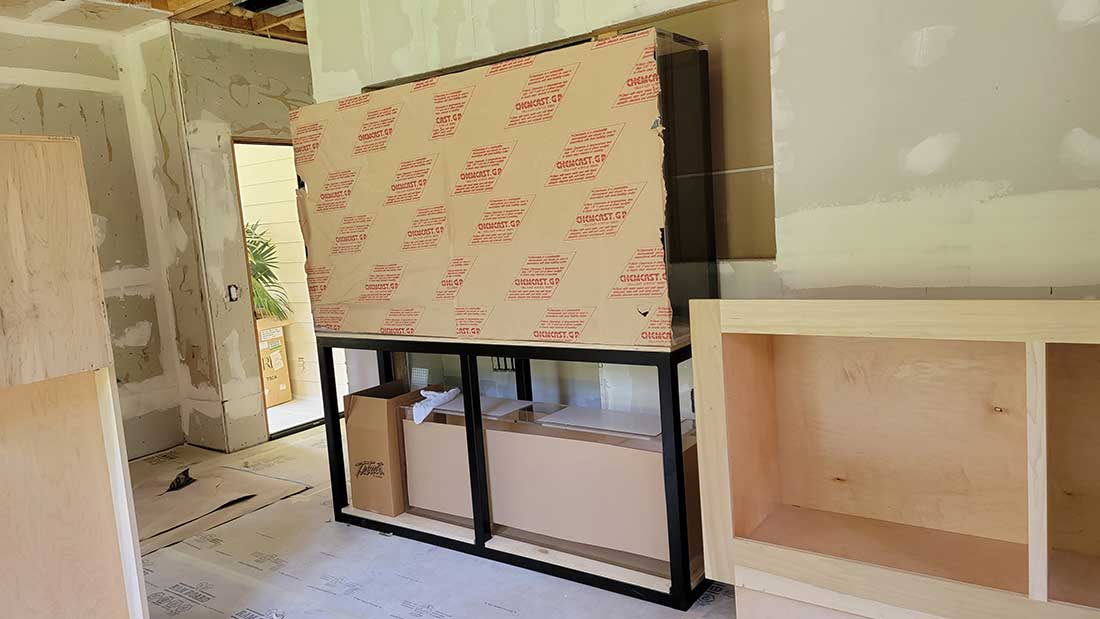
The installation of the custom steel aquarium stand was completed, and we began pre-fitting all necessary equipment to ensure proper clearances and access. The stand was engineered to support the substantial weight of the 225-gallon system while providing organized storage space for life support equipment. During this phase, we verified that all plumbing connections, electrical runs, and equipment placements would work seamlessly with the final cabinetry design. The aquarium arrived carefully wrapped and protected, ready for precise positioning within the prepared wall cavity.
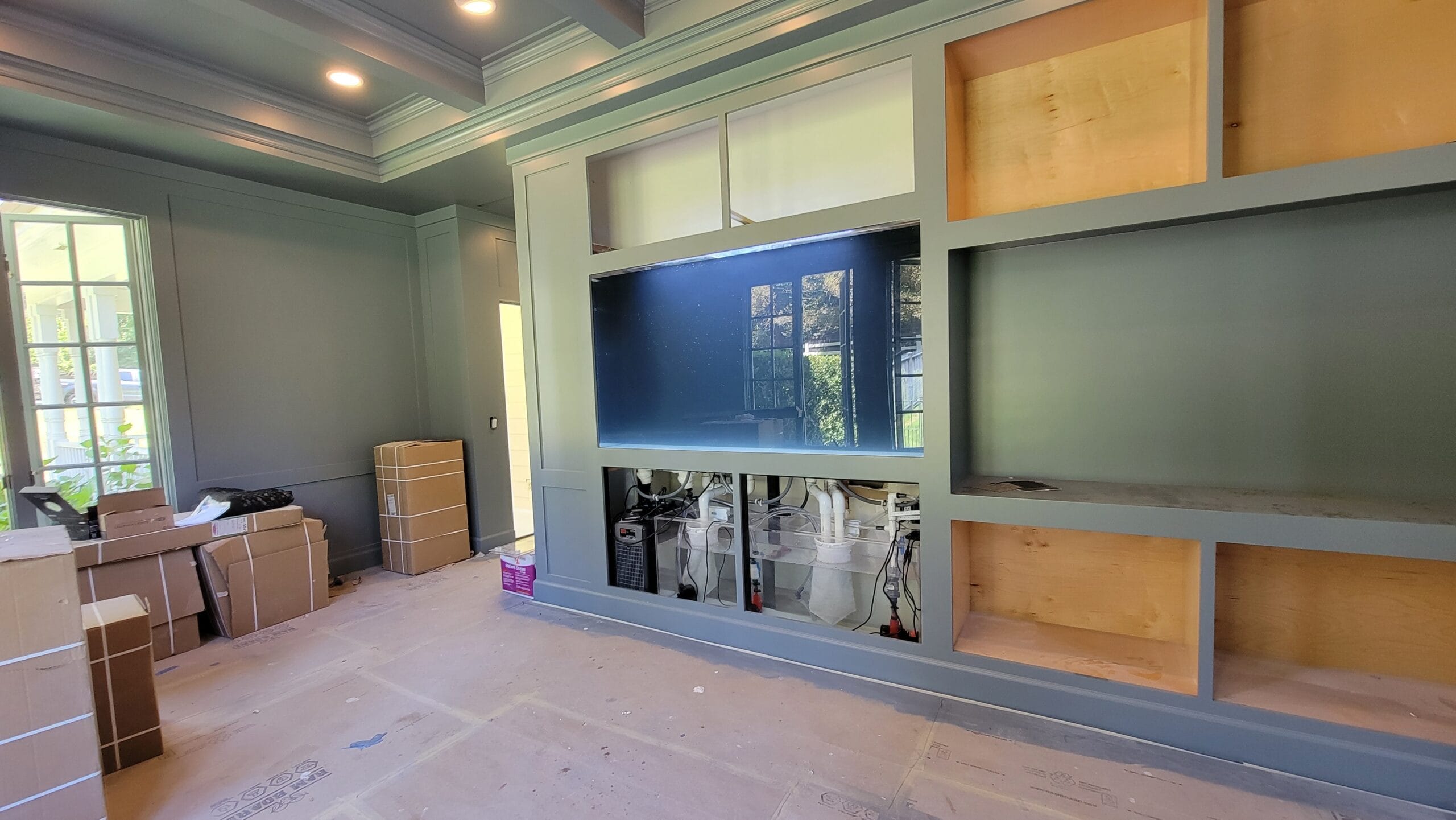
The custom cabinetry work was completed, seamlessly integrating the aquarium into the study’s architectural design. The filtration system was installed beneath the display, including a specialized chiller to maintain stable water temperature throughout the year—essential for moon jellyfish health. An extraction system was incorporated to facilitate water changes and maintenance. The equipment cabinet design allows easy access for routine maintenance while keeping all technical components hidden from view. The woodwork was finished to match the study’s existing millwork, creating a cohesive, built-in appearance.
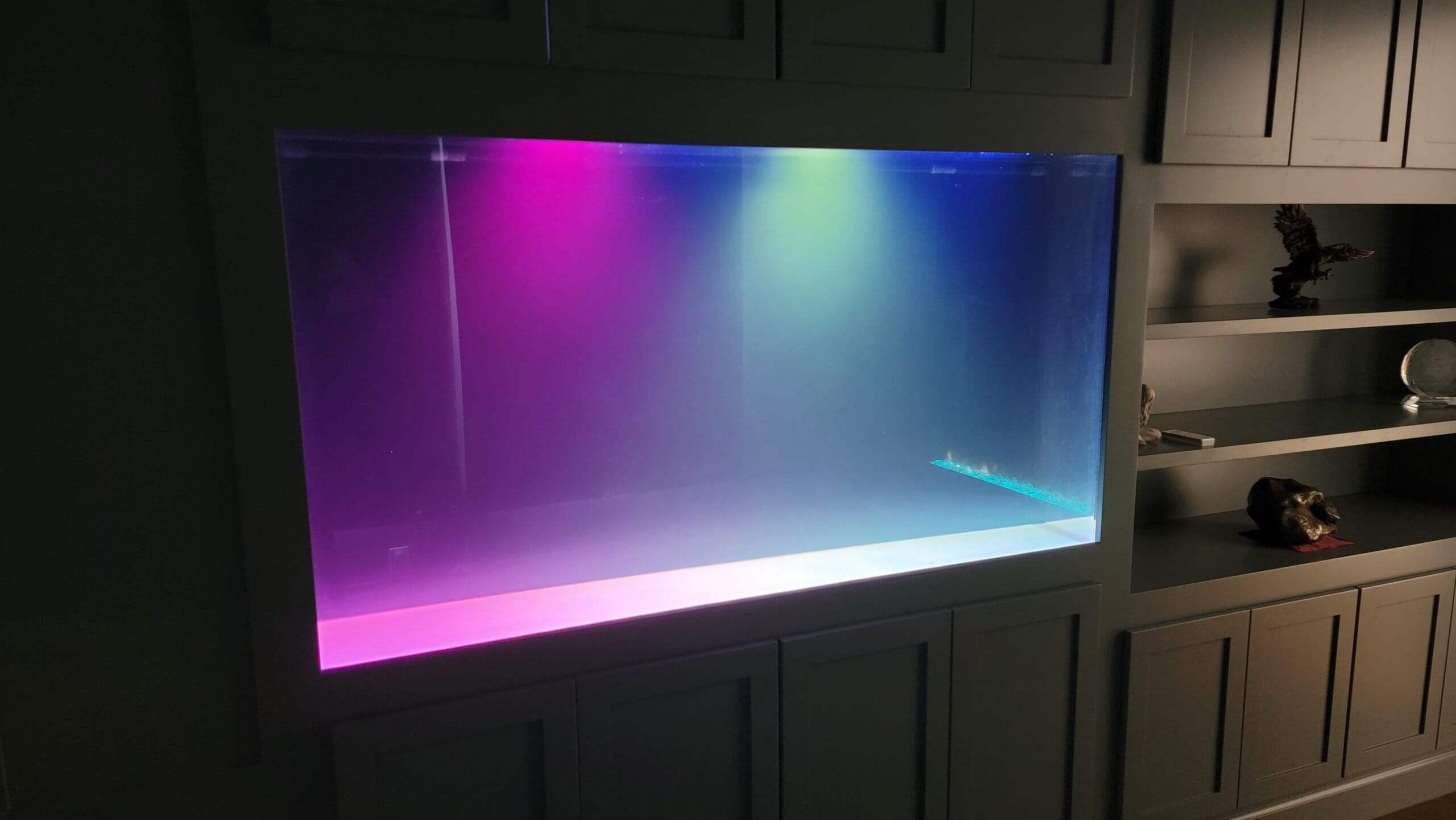
The aquarium was filled with saltwater and the specialized lighting system was installed and programmed. The rotating RGB LED system creates a vibrant, dynamic effect that enhances the natural translucence of moon jellies. Unlike traditional aquarium lighting designed to support photosynthesis in corals or plants, jellyfish lighting is purely aesthetic—designed to backlight these graceful creatures and create dramatic visual impact. The system was tested extensively to ensure proper water flow patterns throughout the tank, with particular attention paid to eliminating dead zones or areas of excessive turbulence that could trap jellies.
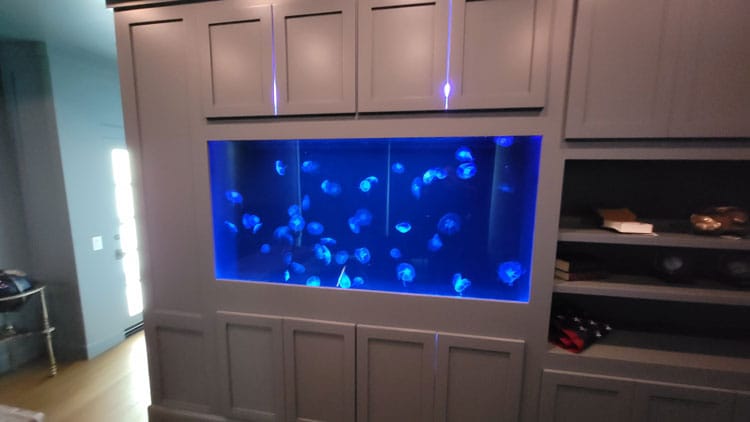
With the system fully cycled and water parameters stable, moon jellyfish were carefully introduced to their new environment. The preliminary population was acclimated slowly, allowing them to adjust to the flow patterns and lighting conditions. The results are stunning—translucent moon jellies pulse gracefully through the water column, their bells expanding and contracting in hypnotic rhythm. The RGB lighting creates an otherworldly effect as colors shift from deep blues to vibrant purples and ethereal teals, illuminating the jellies from behind and highlighting their delicate structures. The completed installation has transformed the study into a meditative space, with the gentle movement of the jellyfish providing endless fascination and a sense of calm. This unique aquarium serves as a testament to the possibilities of marine keeping beyond traditional fish displays.
Moon jellyfish (Aurelia aurita) are translucent, graceful jellyfish that can be successfully maintained in specially designed home aquariums. They require precise water flow patterns, stable cool temperatures, and specific tank dimensions to prevent them from becoming trapped in corners.
Custom jellyfish aquarium installations typically range from $15,000-$50,000+ depending on size, complexity, lighting systems, and cabinetry integration. Specialized equipment like chillers and flow systems add to the investment.
Jellyfish aquariums require specific length-width-height ratios and laminar water flow to keep jellies suspended without trapping them. Unlike fish tanks, jellyfish systems need specialized filtration, no sharp corners, and controlled currents throughout the water column.
Moon jellyfish are relatively low-maintenance compared to other jellyfish species. They require stable temperature (around 65-75°F), regular feeding with specialized foods, and careful water quality monitoring. Professional maintenance is recommended.
Yes, RGB LED lighting is ideal for jellyfish displays. Unlike coral reef aquariums where lighting supports photosynthesis, jellyfish lighting is purely aesthetic—designed to backlight the jellies and create dramatic visual effects through color changes.
For this custom moon jellyfish aquarium. This client was looking for something different than a typical fish tanks, seeking a truly unique installation for their Coto de Caza study. After discussing all kinds of interesting ideas, the client settled on a jellyfish tank—a mesmerizing alternative to traditional aquatic displays. Moon jellies were chosen for their relative ease of maintenance and stunning visual appeal. The result is a captivating 225-gallon jellyfish aquarium that serves as both a conversation piece and a tranquil focal point, featuring dynamic RGB lighting that transforms the space with ethereal beauty.
Coto de Caza is a prestigious guard-gated community in Orange County, known for its sprawling estates, championship golf courses, and resort-style amenities. This exclusive master-planned community offers residents privacy, security, and a strong sense of community, making it one of Southern California’s most desirable residential areas. The sophisticated lifestyle of Coto de Caza provides the perfect setting for innovative custom aquarium installations that push the boundaries of traditional aquatic design.
225-Gallon Moon Jellyfish Aquarium
This custom-designed jellyfish aquarium represents a departure from conventional fish-keeping, showcasing the graceful movement and bioluminescent beauty of moon jellies (Aurelia aurita). Unlike traditional fish aquariums, jellyfish systems require specialized flow patterns and tank geometry to keep these delicate creatures suspended in the water column without allowing them to become trapped in corners or caught in equipment. The 225-gallon system features precise dimensions—72 inches long, 16 inches wide, and 40 inches tall—carefully calculated to achieve the optimal ratio necessary for jellyfish health and longevity. The installation includes rotating RGB lighting that enhances the jellies’ natural translucence, creating a dynamic display that shifts through colors and creates an ever-changing ambiance in the study.